
3D Bioprinting Equipment for Modern Laboratories
Foldink is transforming biomedical research by bringing advanced tissue fabrication capabilities right to your bench. We bridge the gap between complex cell biology and material engineering, offering intuitive systems designed to produce highly precise, functional 3D cell cultures and multi-layered tissue configurations.

Our mission is to make bioprinting technology more available and accessible for scientists, thus decreasing reliance on animal testing and facilitating the creation of accessible, translationally relevant 3D human tissue models
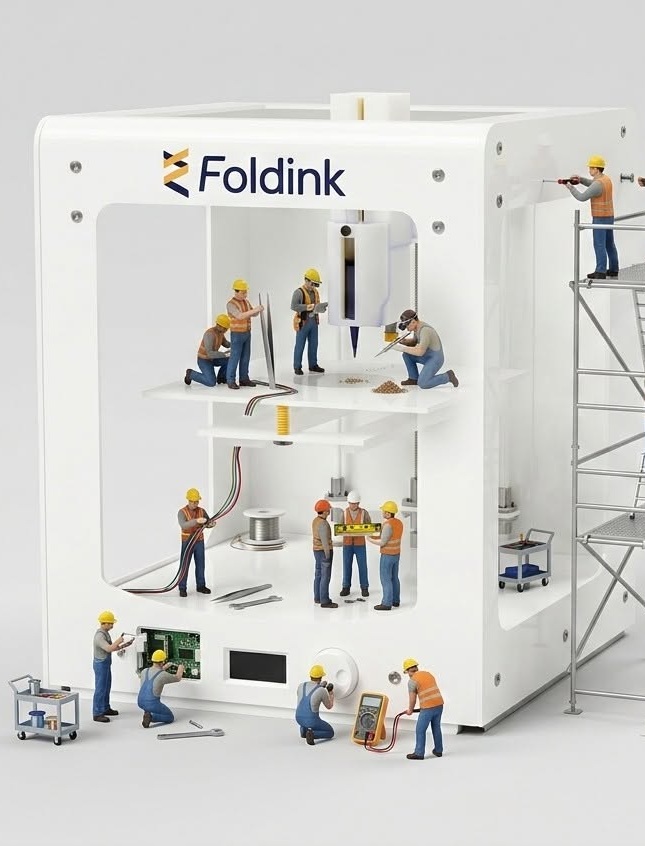
Foldink Bioprinters
Empowering breakthrough biomedical research across all laboratory scales.
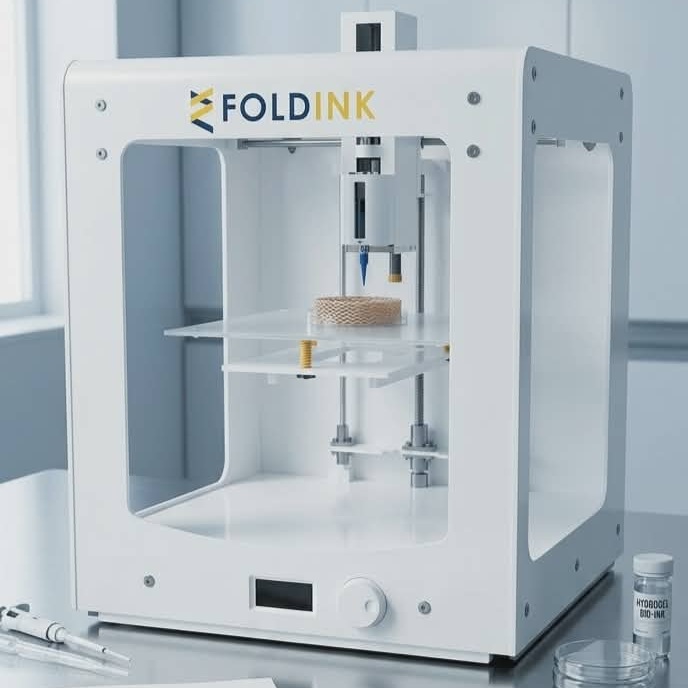
Foldink X-TRUDR5
Perfectly tailored for beginner laboratories and educational institutions, the Foldink X-TRUDR5 serves as an optimal entry point into the world of tissue engineering. Featuring a streamlined, reliable single-extruder system, it provides a highly precise and user-friendly platform for learning bioprinting mechanics and testing baseline cell-hydrogel interactions without initial hardware complexity.
Request QuoteFoldink-TI-3D ONTOGENESIS Series
Engineered for advanced laboratories and complex multi-material and macro-vascular applications, the Foldink-TI-3D ONTOGENESIS Series is built with our unique proprietary printing technology. Equipped with a versatile 4-extruder system, it offers superior characteristics, fluid control, and architectural freedom compared to alternative options on the market, unlocking the ability to construct multi-material, living scaffolds synchronously.
Request Quote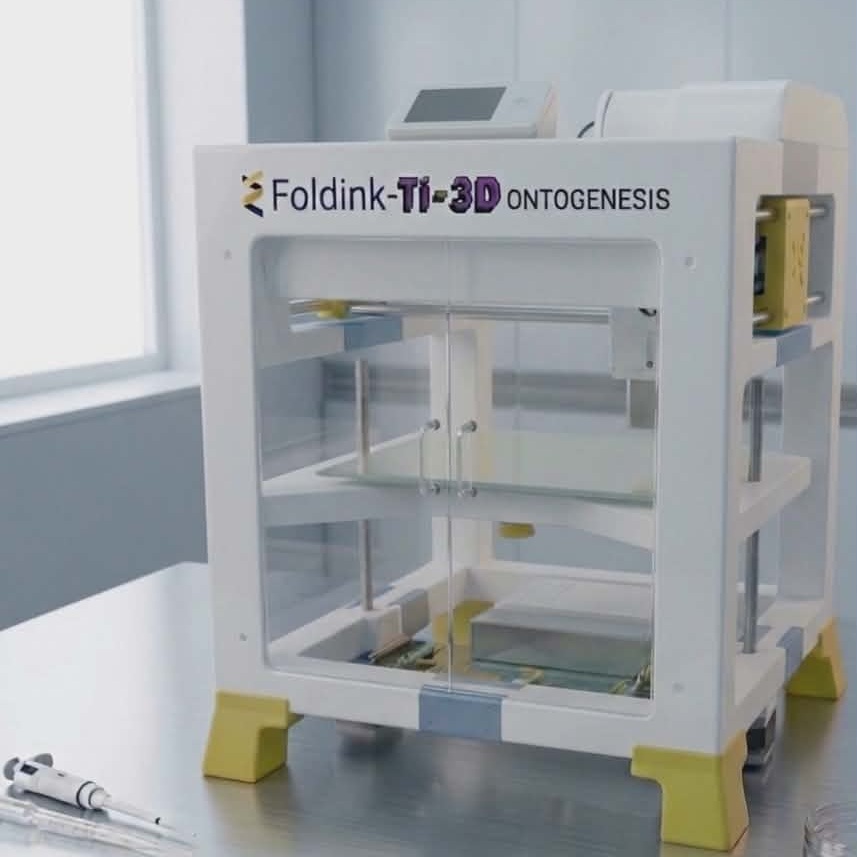
Seamless Hydrogel Integration
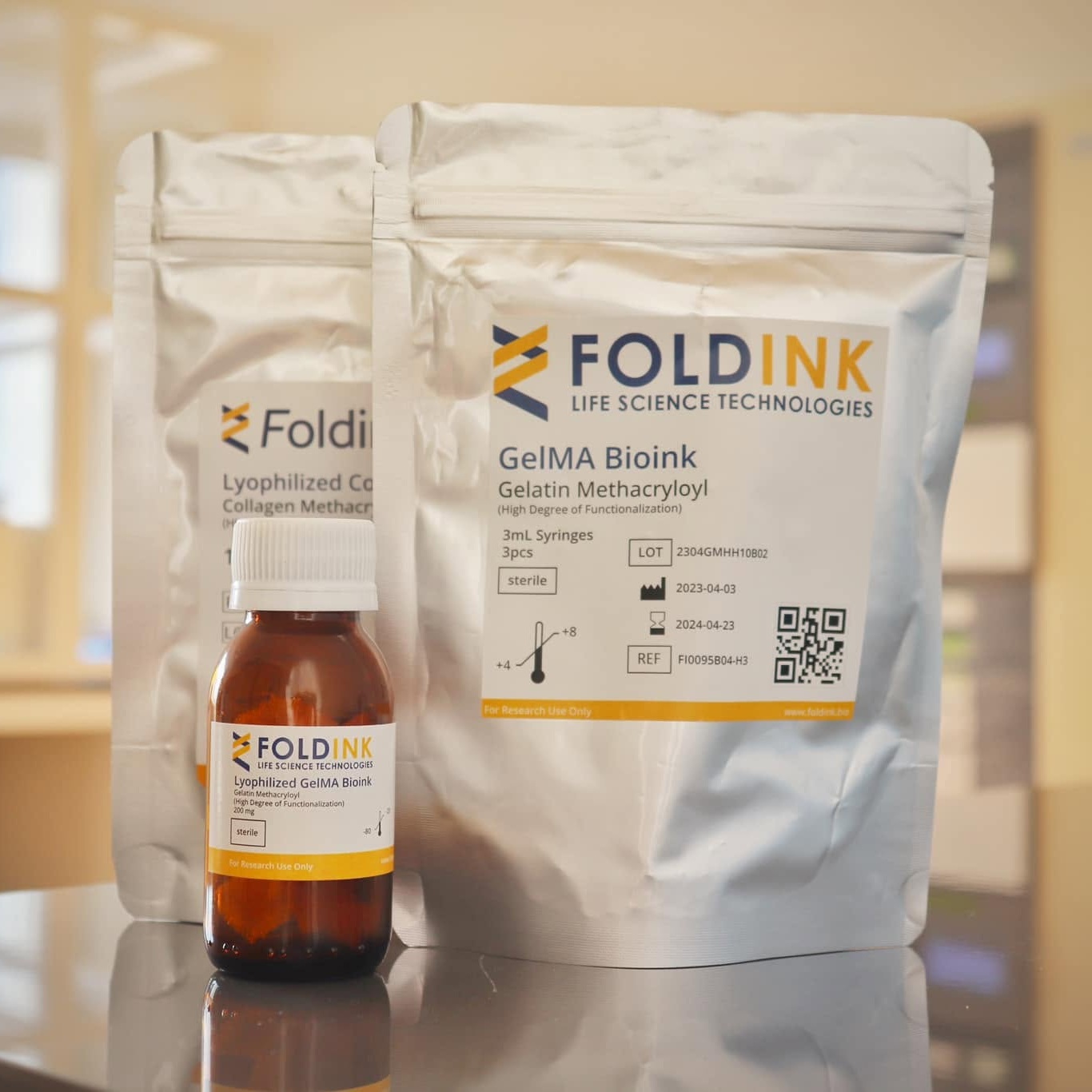
Hardware is only half the formula. Both the X-TRUDR5 and ONTOGENESIS systems integrate fluidly with our specialized line of pre-formulated bioinks, guaranteeing predictable pneumatic flow rates, structural cross-linking, and exceptional post-printing cell survival rates across diverse target matrices.
Explore CompatibilityValidated Applications
BIOPRINTING WITH FOLDINK BIOINKS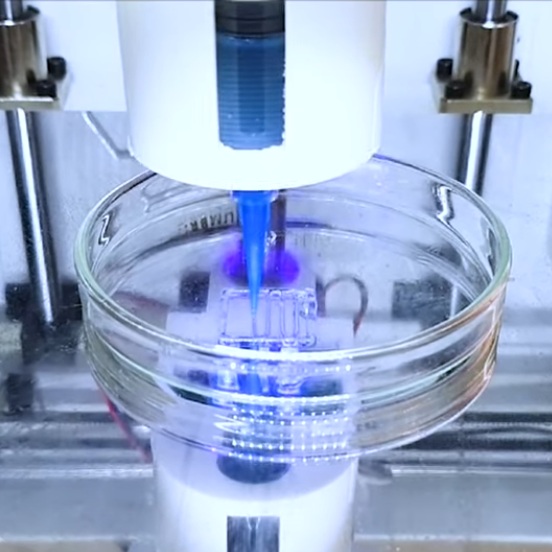

Latest Research & Insights
-
 June 2026
Advancing Drug Screening Protocols via 3D Micro-Tissues
Discover how can laboratories leverage our four-extruder systems to build compound tissue models, drastically cutting down early-stage pharmaceutical testing windows.
Read Summary -
 May 2026
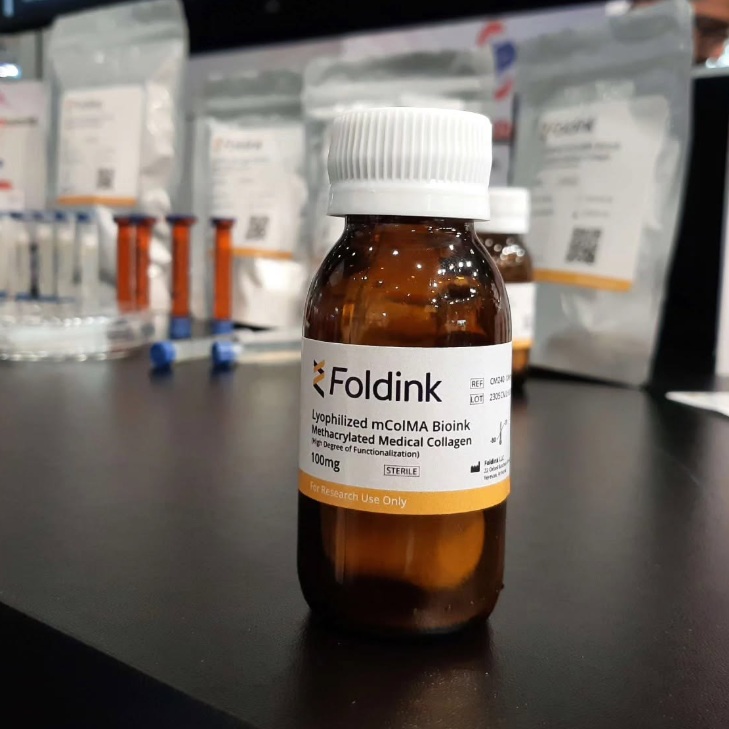
Foldink Expands Lyophilized Bioink Ecosystem
We are making distribution smoother for global research networks. Read about our ambient-stable lyophilized hydrogels engineered for easy reconstitution.
Read Article